

Chimney Cooker Hood
Add a review FollowOverview
-
Founded Date May 29, 2024
-
Sectors Staff Chief Engineer
-
Posted Jobs 0
-
Viewed 10
Company Description
What’s The Current Job Market For Hob Extractor Fan Professionals?
Understanding Hob Extractor Fans: The Essential Kitchen Appliance
In today’s modern kitchens, reliable ventilation is vital for keeping a comfortable cooking environment. One of the crucial devices that assist accomplish this is the hob extractor fan. Hob extractor fans are particularly developed to get rid of smoke, steam, odors, and air-borne grease that can accumulate while cooking. This blog site post will supply an extensive analysis of hob extractor fans, exploring their advantages, types, features, and maintenance suggestions, while likewise including regularly asked questions to provide a thorough overview of this essential kitchen home appliance.
Tabulation
- What is a Hob Extractor Fan?
- Benefits of Using a Hob Extractor Fan
- Types of Hob Extractor Fans
- Key Features to Consider
- Installation Considerations
- Upkeep and Cleaning Tips
- FAQs
- Conclusion
What is a Hob Extractor Fan?
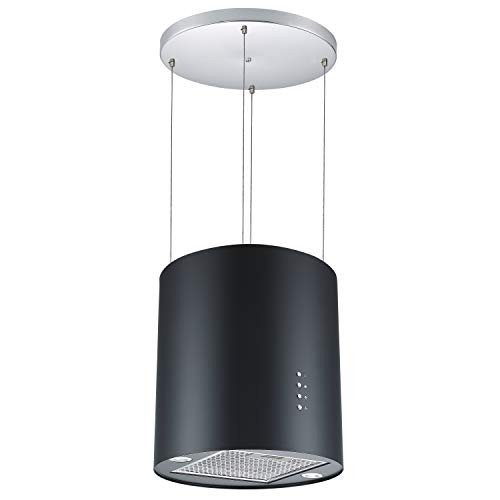
A hob extractor fan, likewise called a hob hood or cooktop extractor, is a ventilation system placed straight above the cooking surface. Unlike standard range hoods, hob extractors are frequently incorporated into the cooking system itself, supplying a sleek and modern aesthetic. They are designed to effectively capture and remove cooking contaminants directly from the source, enhancing air quality in the kitchen.
Benefits of Using a Hob Extractor Fan
Hob extractor fans offer numerous advantages, making them an important part of any kitchen. Here are some key advantages:
| Benefit | Description |
|---|---|
| Odor Elimination | Efficiently eliminates cooking smells to keep a fresh kitchen environment. |
| Improved Air Quality | Minimizes air-borne grease particles and pollutants. |
| Enhanced Cooking Visibility | Avoids steam accumulation, keeping the cooking location clear. |
| Style Flexibility | Numerous models use a streamlined design that can incorporate effortlessly into modern kitchens. |
| Noise Reduction | Generally quieter than conventional hoods, offering a more enjoyable cooking experience. |
Types of Hob Extractor Fans
There are numerous kinds of hob extractor fans offered on the market. Comprehending the differences can help users choose the right choice for their cooking design and kitchen layout.
| Type | Description |
|---|---|
| Downdraft Extractors | These are built into the cooktop surface and increase when needed. They can be an excellent option for kitchen islands. |
| Canopy Extractors | Set up above a hob, these units can be found in numerous sizes and designs, enabling flexible kitchen designs. |
| Integrated Extractors | Hidden within the cabinets, these are best for maintaining a minimalist aesthetic. |
| Recirculating Extractors | These filter and recirculate air back into the kitchen, perfect for situations where venting outside isn’t possible. |
| Ducted Extractors | Need external ducting to vent out air-borne impurities, offering most effective smell and grease elimination. |
Key Features to Consider
When selecting a hob extractor fan, thinking about the following functions can help in making the best option:
Suction Power (Airflow):
- Measured in cubic meters per hour (m ³/ h), this shows how effectively the fan draws in air.
- A higher air flow rate is essential for larger kitchens or regular cooking.
Sound Level:
- Sound levels, generally measured in decibels (dB), ought to be taken into account to ensure a peaceful cooking environment.
- Search for designs with noise rankings below 60 dB for quieter operation.
Purification System:
- Different types of filters (aluminum, charcoal, etc) identify the efficiency of smell and grease removal.
- Some designs feature washable filters for simple upkeep.
Style and Size:
- Consider the dimensions of the cooking surface and the general kitchen layout.
- Look for a style that complements the existing kitchen decor.
Lighting Options:
- Integrated lights can enhance exposure while cooking and include to the total atmosphere of the kitchen.
Installation Considerations
The installation of a hob extractor fan can usually be done as part of a kitchen remodel or retrofitted into an existing kitchen. Key points to think about consist of:
- Elevation Height: Ensure the unit is placed at the recommended height above the hob for optimum extraction.
- Ducting: For ducted models, prepare for the course of ducting to guarantee effective venting.
- Electrical Supply: Check for proper electrical connections, especially for models with integrated lighting or additional functions.
Upkeep and Cleaning Tips
Maintaining the effectiveness of a hob extractor fan is essential for durability and effective operation. Here are some ideas:
- Regular Filter Cleaning: Clean or replace filters as advised by the manufacturer, typically every 3-6 months.
- Surface Wipe Down: Regularly wipe down the exterior surfaces of the extractor to prevent grease accumulation.
- Expert Servicing: Consider having the unit serviced annually to guarantee internal parts are operating correctly.
FAQs
Do I require a hob extractor fan if I have a window?
- While having a window can enhance ventilation, a hob extractor fan is more effective at removing cooking smells and grease directly from the source.
Can I set up a hob extractor fan myself?
- While some designs can be fitted in DIY-friendly jobs, it’s frequently suggested to work with a professional for installation, especially for ducted systems.
How can I inform if my hob extractor fan is working correctly?
- If you notice an increase in cooking smells or extreme steam in the kitchen, it might indicate that the fan or filter is blocked and needs maintenance.
What is the ideal distance to install the hob extractor from the cooktop?
- A lot of makers recommend a minimum range of 65-75 cm for electrical cooktops and 75-85 cm for gas cooktops.
Are recirculating models as reliable as ducted ones?
- Recirculating units are less effective in removing smoke and smells compared to ducted models that vent outdoors, but they can be ideal in areas where ducting isn’t practical.
Hob extractor fans are an important kitchen device that assists in maintaining air quality and comfort while cooking. With various types, functions, and setup factors to consider, they accommodate the varied needs of modern kitchens. Purchasing a quality hob extractor fan not only improves the culinary experience but also contributes to a much healthier cooking environment. Whether you are a professional chef or a home cook, selecting the ideal extractor fan is a choice you will value each time you step into your kitchen. Beyond their functional benefits, these gadgets can also include a touch of sophistication and design to your cooking area, making them a vital part of kitchen style.