

Compact Espresso Machine
Add a review FollowOverview
-
Founded Date June 16, 1978
-
Sectors Deck Fitter
-
Posted Jobs 0
-
Viewed 16
Company Description
Five Killer Quora Answers To Espresso Coffee Maker
The Espresso Coffee Maker: A Deep Dive into the World of Quality Coffee
Espresso, the abundant, aromatic, and vibrant coffee brewed under pressure, has become a preferred worldwide. For coffee lovers, owning an espresso coffee maker can elevate their developing experience, providing a café-quality drink right in your home. This blog site post will explore the various types of espresso coffee makers, their features, aspects to consider when buying one, a comparison table for popular models, and some regularly asked questions.
Comprehending Espresso Coffee Makers
Italian Espresso Machine coffee makers come in different styles, each developed to accommodate different requirements and choices. From manual machines for purists to state-of-the-art designs for those who value convenience, the landscape of espresso makers is varied. Below are the main kinds of espresso coffee makers available:
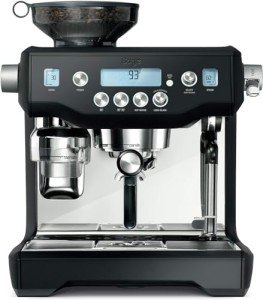
Types of Espresso Coffee Makers
Manual Espresso Makers:
- Overview: These machines need the user to be hands-on in all aspects of the brewing process.
- Pros: Greater control over developing parameters, more budget-friendly than automated machines.
- Cons: Steeper learning curve, more physically demanding.
Semi-Automatic Espresso Machines:
- Overview: These machines allow users to manage the grind, tamp, and shot time while automating the brewing process.
- Pros: Balance of control and convenience, appropriate for a wide variety of users.
- Cons: More pricey than manual designs.
Automatic Espresso Machines:
- Overview: These machines take over the brewing process completely, permitting users to pick the desired volume for a couple of shots of espresso.
- Pros: Convenient and easy to use.
- Cons: Limited control compared to semi-automatic machines; greater cost.
Super-Automatic Espresso Machines:
- Overview: These machines automate the whole process, from grinding the coffee beans to frothing milk for lattes or cappuccinos.
- Pros: Extremely convenient and time-saving.
- Cons: Often the most costly options.
Stovetop Espresso Makers (Moka Pots):
- Overview: While not “real” espresso makers, these allow amateur baristas to brew strong coffee on the stovetop.
- Pros: Affordable and portable.
- Cons: Less constant pressure; does not produce the very same crema as standard Espresso Bean Grinder.
Key Features to Consider
When shopping for an Espresso Pod Machine coffee machine, various functions can influence a customer’s choice. Here’s a list of essential features to think about:
- Pressure: Look for machines that make use of at least 9 bars of pressure for optimum extraction.
- Boiler Type: Single boilers, double boilers, and heat exchangers play an important role in temperature consistency.
- Product: Stainless steel machines frequently outshine plastic ones in durability and looks.
- Size and Capacity: Consider how much counter area is offered and how lots of cups you wish to brew at the same time.
- Reduce of Cleaning: Machines with detachable parts and automatic cleaning cycles conserve time and effort.
- Cost: Set a budget that considers initial expenses and long-lasting maintenance.
- Extra Functions: Look for choices that offer steam wands for frothing milk or customizable settings for different coffee strengths.
Popular Espresso Coffee Makers
Below is a comparison table showcasing popular espresso coffee machine together with their features, rates, and customer scores.
| Design | Type | Pressure (Bars) | Boiler Type | Frothing Wand | Rate (Approx.) | Client Rating (1-5) |
|---|---|---|---|---|---|---|
| Breville Barista Express | Semi-Automatic | 9 | Single Boiler | Yes | ₤ 600 | 4.7 |
| De’Longhi Dedica | Semi-Automatic | 15 | Thermoblock | Yes | ₤ 300 | 4.5 |
| Gaggia Classic | Semi-Automatic | 15 | Single Boiler | Yes | ₤ 400 | 4.4 |
| Rancilio Silvia | Semi-Automatic | 9 | Single Boiler | Yes | ₤ 800 | 4.6 |
| Philips 3200 Series | Super-Automatic | 15 | Single Boiler | Yes | ₤ 900 | 4.5 |
| Moka Pot | Stovetop Maker | N/A | N/A | N/A | ₤ 40 | 4.3 |
Investing in an espresso coffee maker can enhance one’s coffee-drinking experience, making it not simply a day-to-day routine, however a cheerful ritual. Each of the various types accommodates differing ability levels and preferences, which means everyone can find an ideal match. With the ideal info, anybody can select a machine that satisfies their requirements, producing the best cup of espresso in the house.
Frequently asked questions
1. What is the distinction between espresso and regular coffee?
Espresso Maker is brewed using high pressure to force hot water through finely-ground coffee, resulting in a focused shot with rich flavor. Regular coffee usually uses coarser grinds and a drip method, causing a lighter brew.
2. Can I use routine coffee premises in an espresso machine?
Technically, yes; however, the Espresso Coffee Machines machine is designed for finely ground coffee. Utilizing routine coffee premises may lead to weaker taste and inadequate pressure buildup.
3. How typically should I clean my espresso coffee maker?
Regular upkeep is vital. A lot of experts recommend deep cleansing every month, while day-to-day cleansing includes rinsing the group head, portafilter, and steam wand after each use.
4. Are espresso coffee makers worth the financial investment?
If you take pleasure in espresso or coffee drinks that need espresso, investing in a quality espresso coffee maker can conserve cash in the long run compared to purchasing coffee from cafes, in addition to allowing you to experiment with numerous brews.

5. What’s the ideal water temperature for brewing espresso?
The ideal water temperature level is between 190 ° F to 205 ° F (88 ° C to 96 ° C). This temperature range maximizes taste extraction without burning the coffee.
With this thorough guide, readers can make educated decisions while checking out the world of espresso coffee makers. Welcome the art of espresso making and transform your home brewing experience!